Cleaner Water,
Naturally.

Biological solutions that restore balance to ponds, aquaculture systems, and water lagoons — without relying on harmful chemicals.
Years of Experience
45 +
Gallons per Pound
1.5 M
Chemical-Free
100 %

Why algae appears

Algae is already present in most water systems. It spreads naturally through wind, rain, runoff, and even animals moving between areas.

The real issue is not its presence, but the conditions that allow it to grow—mainly excess nutrients like nitrates and phosphates.

Large ponds & lagoons

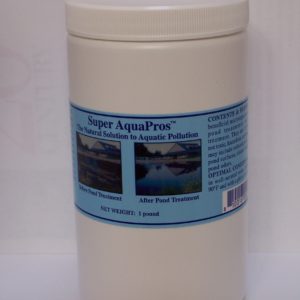
Focuses on natural algae control, reducing nutrient buildup, breaking down organic matter, and supporting long-term water quality in larger systems.

Small ponds & water gardens

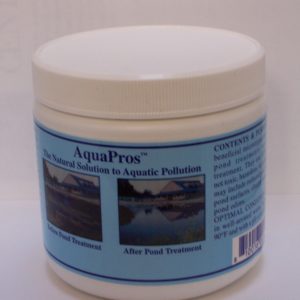
Covers smaller setups like ornamental ponds and koi environments, with clearer guidance for maintaining balance and water clarity.

Fish & shrimp aquaculture

Builds on existing shrimp farming applications, showing how probiotic bacteria are used for sludge reduction, pathogen control, and improved feed efficiency.

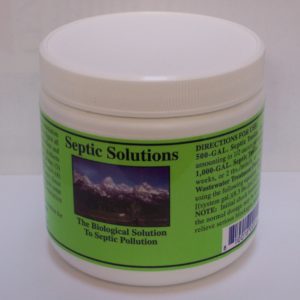
Septic tanks & leach lines

Includes septic system care within the same framework, presented in a more structured and professional way.

SCIENCE & PROOF

What drives algae growth

Algae growth is directly tied to nutrient levels in the water. When nutrients increase, algae grows. When those nutrients are reduced, algae naturally declines.

Phosphate is often the limiting factor. Reducing it directly affects algae growth.
What changes over time

Early changes usually appear as improved water clarity, especially in green or blue-green water.

As nutrient levels decrease, algae weakens. Floating algae may shift from dark green to lighter shades, then turn yellow, brown, or black before breaking down.

Rooted algae may also change at the tips as nutrient availability drops.

These changes indicate the system is moving toward a more balanced condition.

How it works in real conditions
Biological treatment works more gradually than chemical options, but it is focused on long-term stability rather than quick, short-term results. Performance depends on the conditions of the water. Systems with proper aeration, consistent movement, suitable temperature, and balanced pH tend to respond more effectively. Regular treatment, especially during warmer months, helps maintain consistent results over time.

PROFESSIONAL BACKGROUND

The work is backed by a combination of engineering, environmental research, aquaculture development, and teaching—bringing both practical and scientific understanding to water systems.

Engineering

Experience in mechanical engineering design across manufacturing and commercial HVAC systems.

Science education

Teaching experience at junior high, high school, and college levels.

Environmental assessment

Work involving environmental impact research across mining, military, wastewater, oil and gas, and natural water systems such as rivers and lakes.

Aquaculture research

Leadership roles with Solar Aquafarms, including involvement in patented systems and aquaculture development.

PRACTICAL GUIDANCE

FAQ

How often should treatments be applied?

Treatments are typically applied monthly during warmer months. Heavier problems may require more frequent use at the beginning.

When do treatments work best?

They work best when water temperatures are above 60°F, especially during the afternoon.

How long does it take to see results?

Results are gradual. Changes usually take a few weeks and depend on conditions and consistency.

CONTACT ENVIRONMENTAL SOLUTIONS